The island was discovered by the Portuguese in 1502, but wasn’t settled until the British arrived to claim the island in 1659. The island has remained British ever since (except when briefly overtaken by the Dutch in 1665).
The East India Company (EIC) was charted for administration of the island throughout much of St Helena’s history – with EIC remnants publically accessible today, heavily centred in the capital of Jamestown, a town of preserved EIC buildings.
Until the opening of the Suez Canal, the island was a vital mid-Atlantic shipping port – this made it a place of transience, visited by a great diversity of peoples and nationalities.
The island’s utter isolation also made it an ideal place of exile.
Among the most notable exiles were King Dinizulu, 6,000 Boer Prisoners of War, 25 Zulu Chiefs, 3 Bahraini nationalists and French Emperor Napoleon Bonaparte (who died on the island).
St Helena was colonised by the English in 1659, and at that time the use of slaves was commonplace. Slaves were first brought mostly from East Africa or Madagascar and in 1818, Governor Lowe initiated the first steps in slave emancipation. Between 1840 and the collapse of the Atlantic slave trade in the 1860s, St Helena served as a major trial venue and receiving depot for slave ships captured by the Royal Navy’s West Africa Squadron. It has been estimated that over 25,000 “Liberated Africans” lived on the island. Slaves, ‘liberated Africans’ and Chinese indentured labourers also left significant impacts on the island, as did the Falklands War, in which many islanders were deployed.
Eight shipwrecks are also accessible for snorkelers and divers in St Helena’s waters, with legacies ranging from an RFA tanker sunk by a German U-boat during WWII, to a fishing vessel sunk in order to create an artificial reef.
St Helena also boasts the world’s oldest known living land animal (and oldest ever chelonian), Jonathan the Tortoise, a Seychelles giant tortoise who arrived as a gift to St Helena in the mid-1800s and who celebrated his 190th birthday in 2022.
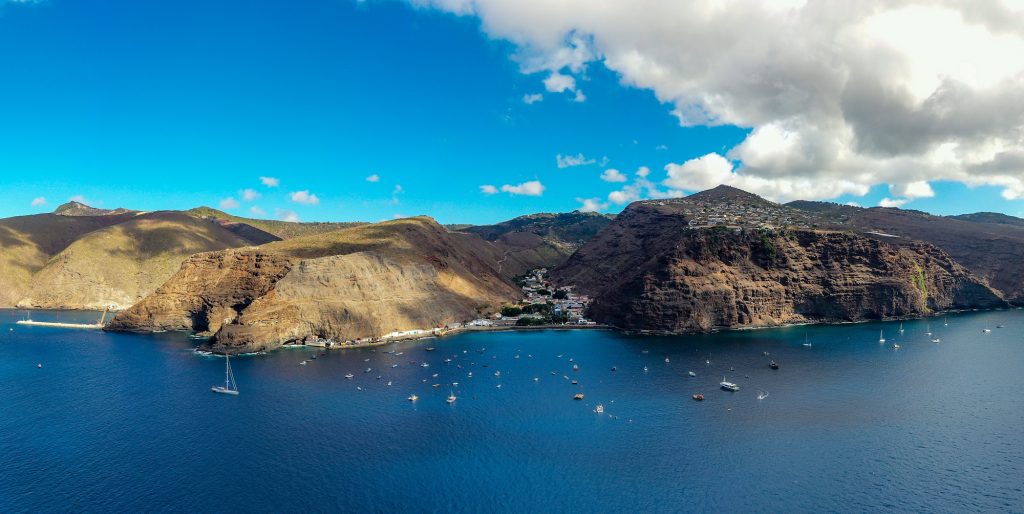
Today, St Helena’s rich diversity of heritage is accessible at every turn. You can stroll through centuries-old fortifications, visit the world’s most significant physical remaining trace of the transatlantic slave trade, explore historic buildings and architecture, and travel in Napoleon’s footsteps. Plus, you can visit the Museum of St Helena for an all-encompassing experience.
National Symbols
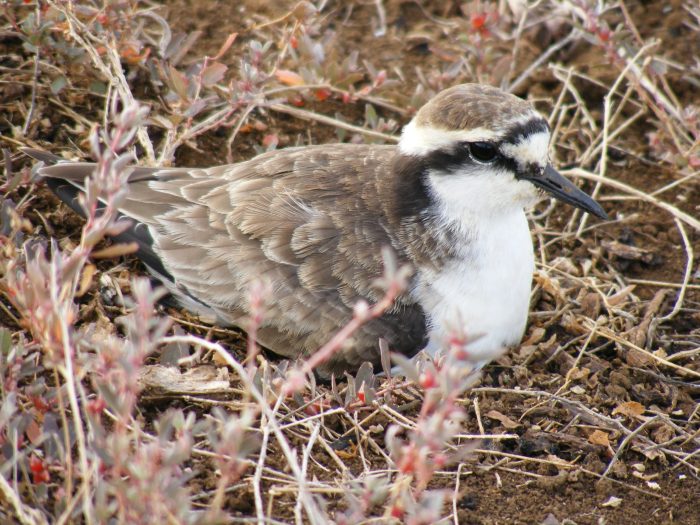
Bird: The Wirebird is St Helena’s last endemic land bird. The global population of 602 Wirebirds (2022 Census) is found only on St Helena.
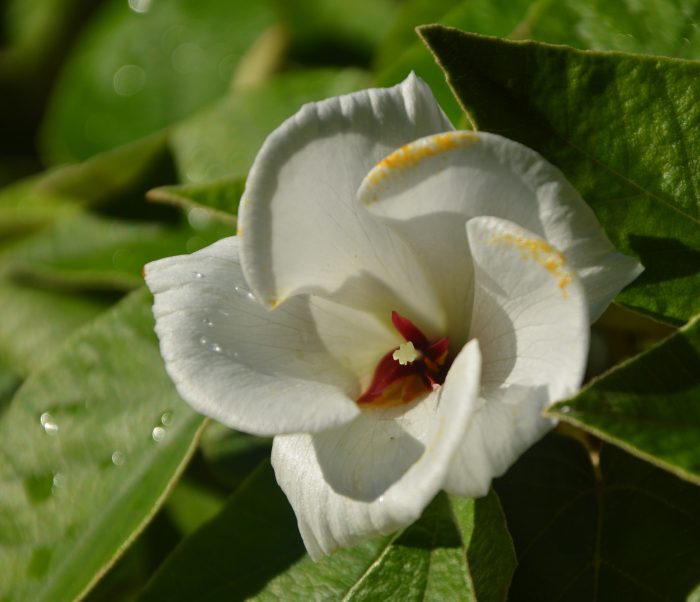
Flower: Locally referred to as the national flower, the St Helena Ebony. Until 1980 the ebony was thought to be extinct, until local conservationists Charlie and George Benjamin rediscovered and took steps to cultivate this once-lost endemic plant.
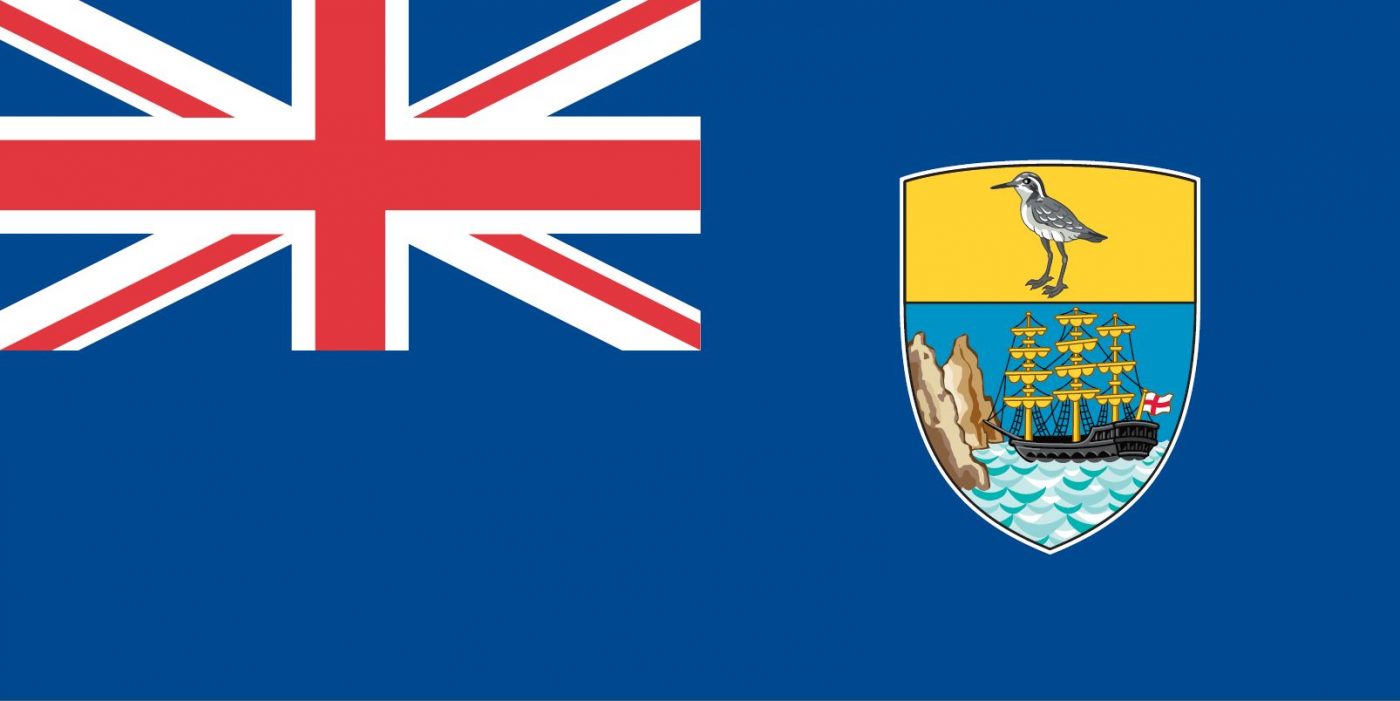
Flag: Bearing a Union Jack, a blue background, and the shield featured in St Helena’s coat of arms, the official St Helena flag is available for download here.
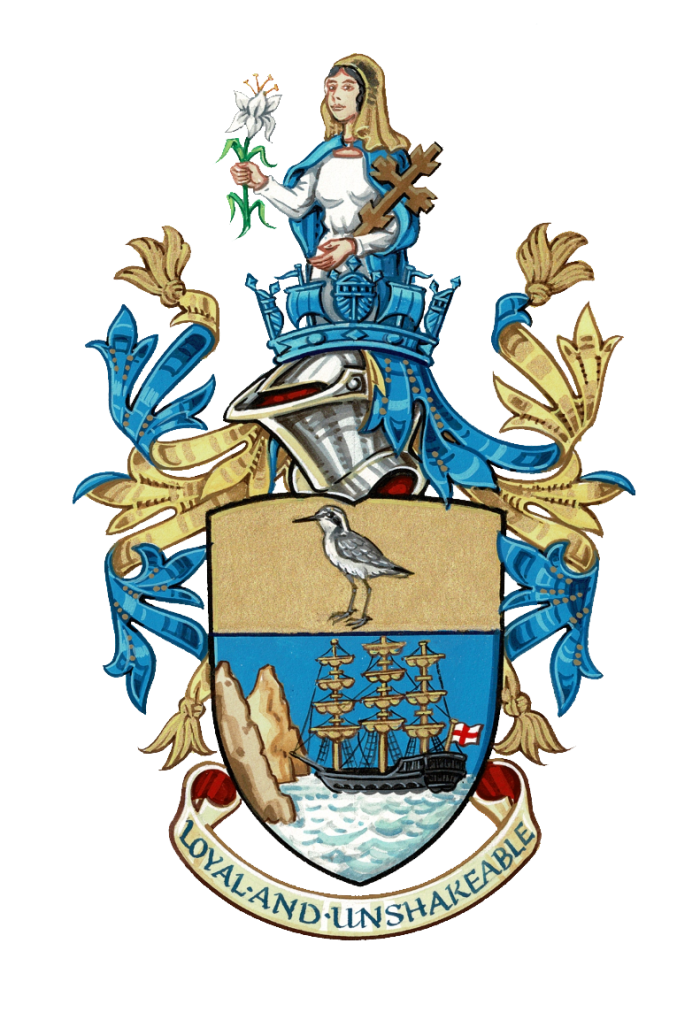
Coat of arms: Authorised in 1984, the coat of arms features a shield that bares images of the national bird (Wirebird), the coast of St Helena, and a sailing ship. The motto of the arms is ‘Loyal and unshakable’.